What is a spinal pain injection procedure? What is a nerve block?
In spinal diseases such as disc herniation or spinal stenosis, pain occurs because pain-aggravating substances are produced at the affected site and stimulate the nerve. When pain lasts a long time, even if the original disease is treated, pain continues due to vicious cycles. Therefore, nerve block is a method of administering medication by injection around the nerve to control and treat pain caused by oversensitized nerves, either temporarily or over a longer period. Injection procedures do not widen the narrowed tissue around the nerve but rather soothe the nerve to alleviate symptoms.
What types of injections/procedures are there and what are their effects?
Spinal nerve injection treatment includes epidural nerve block, selective nerve root block, nerve plasty, balloon neural plasty, and several other options. Basic principles and medications used are often similar for each procedure method, but differ in the route of medication administration and volume injected. Costs and procedure methods may differ depending on treatment method, but expected therapeutic effects are similar. Recently frequently performed neural plasty and other procedures fall into the same category of nerve injection procedures with similar expected effects, but recent high-cost procedures cannot be considered cost-effective.
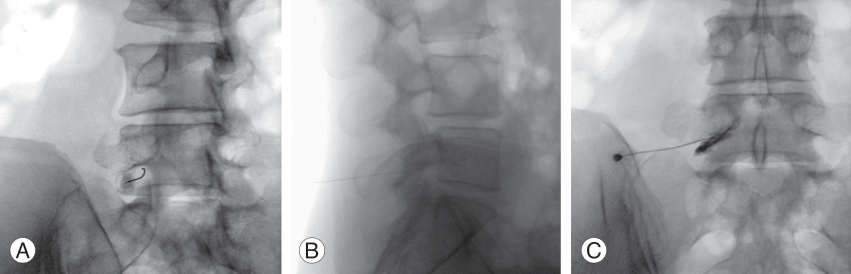
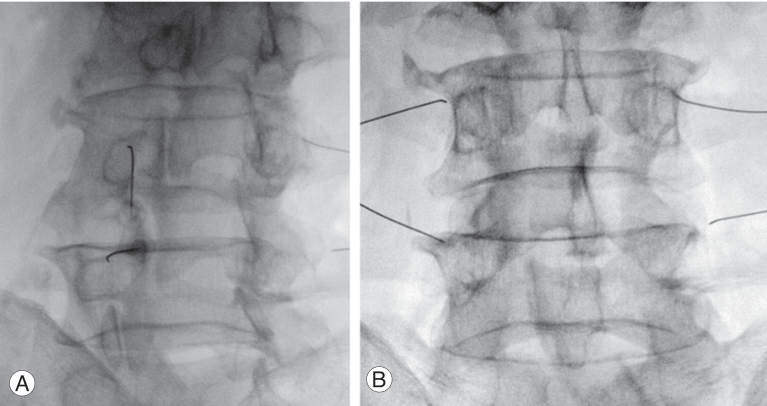
What is the process and method of spinal pain injection?
Medication-based nerve block involves administering local anesthetic and steroid to the spinal nerve root region. Local anesthetic blocks pain transmission by anesthetizing the nerve short-term, while steroid is an anti-inflammatory agent that shows longer-lasting effects by treating oversensitized nerves causing pain. Pain relief effects from medication vary greatly among individuals and generally last from several weeks to several months. In cases not responding to nerve block, medication therapy and exercise therapy can be attempted, and in cases of persistent pain interfering with daily living, surgical treatment may also be necessary.
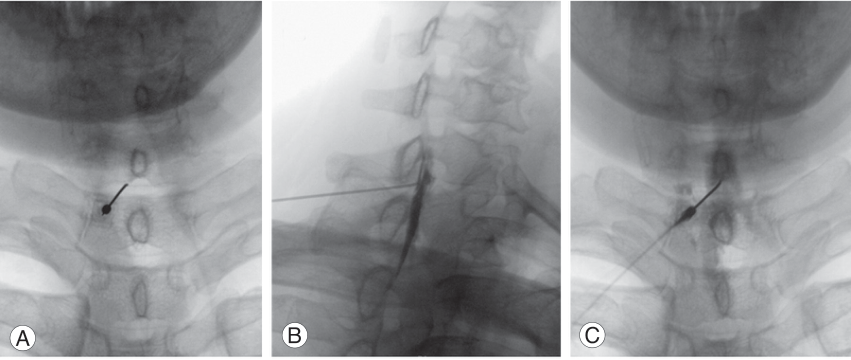
Is ultrasound-guided injection also available?
Injections are usually performed under X-ray imaging equipment (fluoroscopy) so the path of the needle can be seen as it goes in. More recently, injections performed under ultrasound guidance are also used. Ultrasound has the advantages of requiring no radiation exposure and of showing the needle and surrounding tissue moving in real time. However, some areas are hidden behind bone and hard to see, so X-ray guidance is still recommended as the standard method for confirming that the medication has reached exactly the right place. Which of the two methods is used depends on the site being injected and on what the hospital has available.
What medications are mainly used in the procedure? Is steroid harmful to the body?
In most cases, local anesthetic and steroid agents are mixed and injected. Because only small amounts of steroid are used, adverse effects are very rarely reported. However, if procedures are repeated or performed long-term, side effects should definitely be discussed with the treating physician.
What are contraindications and complications before and after the procedure?
Complications that can occur from nerve block include injection site pain, infection, motor nerve paralysis, and medication side effects. Injection site pain is from the needle itself and quickly resolves. Infection is a very rare complication occurring when bacteria are transferred to the spinal area from injection. Motor nerve paralysis from injection is also rare but can occur. However, this generally completely resolves in 2-3 weeks. When large amounts of local anesthetic are used, some medication may be absorbed into blood vessels causing systemic symptoms in some patients, but dangerous cases generally do not occur.
▶ SpineTube | Everything about nerve blocks ↗▶ SpineTube | Everything about back procedures ↗Medical review: Minimal Invasive Surgery Research Society · Provided by the Korean Society of Spine Surgery